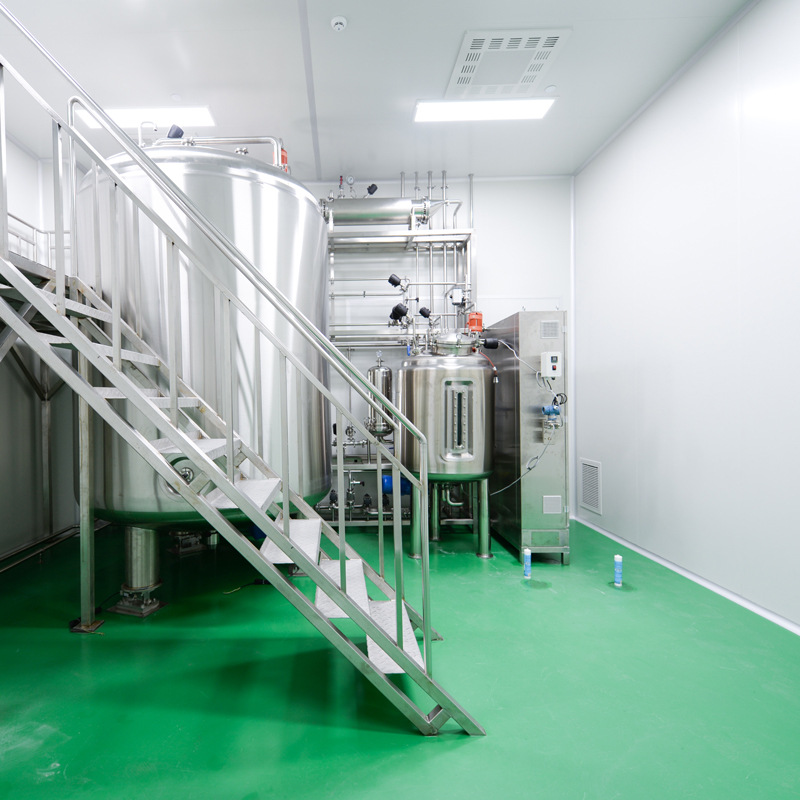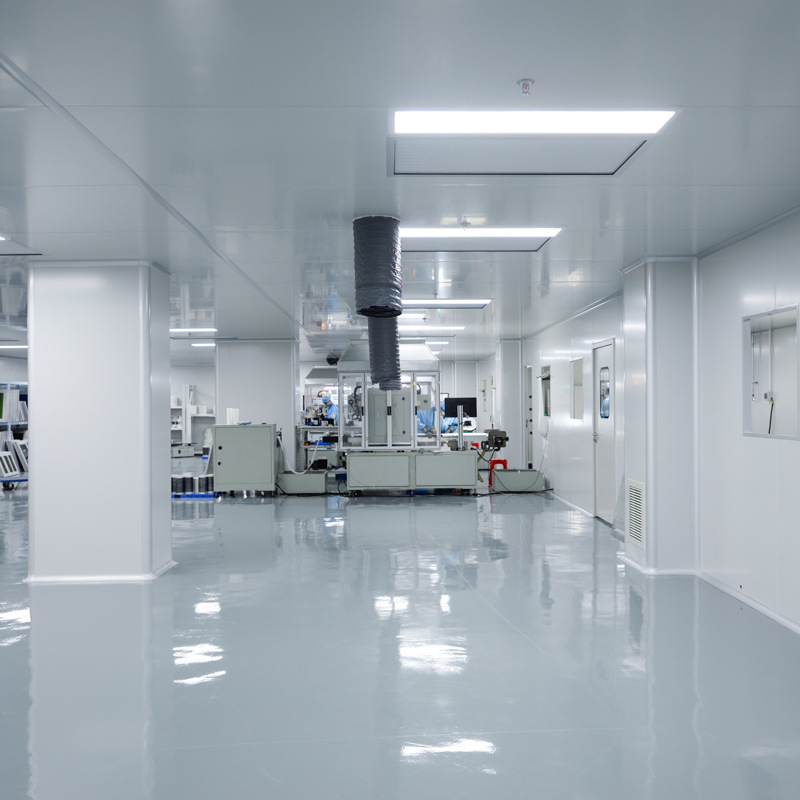
In today’s pharmaceutical industry, air filtration technology is not just a technical necessity but also a crucial means of ensuring product quality and safety. This article will delve into the basic principles of air filtration, analyze key technologies, and showcase practical application cases to help readers gain an in-depth understanding of this field.
1. Basic Principles of Air Filtration
Air filtration refers to the process of separating impurities from air using specific filter materials. In the pharmaceutical industry, air filtration aims to remove particulates, microorganisms, and other contaminants to ensure a clean production environment. The main principles include physical filtration, chemical adsorption, and electrostatic precipitation. Among them, physical filtration is the most common method, relying on filter elements with different pore sizes to block particles.
2. Key Technologies in Air Filtration
The core of air filtration technology lies in the selection and design of filter materials and equipment. Common filter materials include glass fiber, polypropylene, and activated carbon. Each material has its characteristics, such as glass fiber filters being suitable for high-efficiency particulate air (HEPA) filtration due to their small pore size and high dust-holding capacity. Equipment design must consider factors like airflow rate, pressure drop, and ease of cleaning and replacement. Modern air filtration systems often integrate intelligent monitoring functions to monitor filter performance in real time, ensuring optimal operation.
3. Practical Application Cases
Take the production workshop of a certain pharmaceutical company as an example. To meet Good Manufacturing Practice (GMP) standards, the company equipped its cleanrooms with advanced HEPA filtration systems. These systems effectively control the number of airborne particles and microbial counts, providing an ideal production environment. Additionally, by installing real-time monitoring devices, the company can promptly detect any potential issues with the filter system and take corrective actions, significantly reducing the risk of product contamination.
What air filters for pharmaceuticals?
1. HEPA Filters (High-Efficiency Particulate Air Filters):
– Description: HEPA filters are highly efficient at trapping very small particles, including dust, pollen, mold, bacteria, and other airborne contaminants. They can capture particles as small as 0.3 microns with an efficiency of 99.97%.
– Applications: Widely used in cleanroom environments, laboratories, and manufacturing facilities to maintain high levels of air purity.

2. ULPA Filters (Ultra-Low Penetration Air Filters):
– Description: ULPA filters offer even higher efficiency than HEPA filters, capable of capturing particles as small as 0.1 microns with an efficiency of 99.9995%.
– Applications: Often used in critical environments where the highest level of particle removal is required, such as in the production of sterile pharmaceuticals, biotechnology labs, and hospital operating rooms.

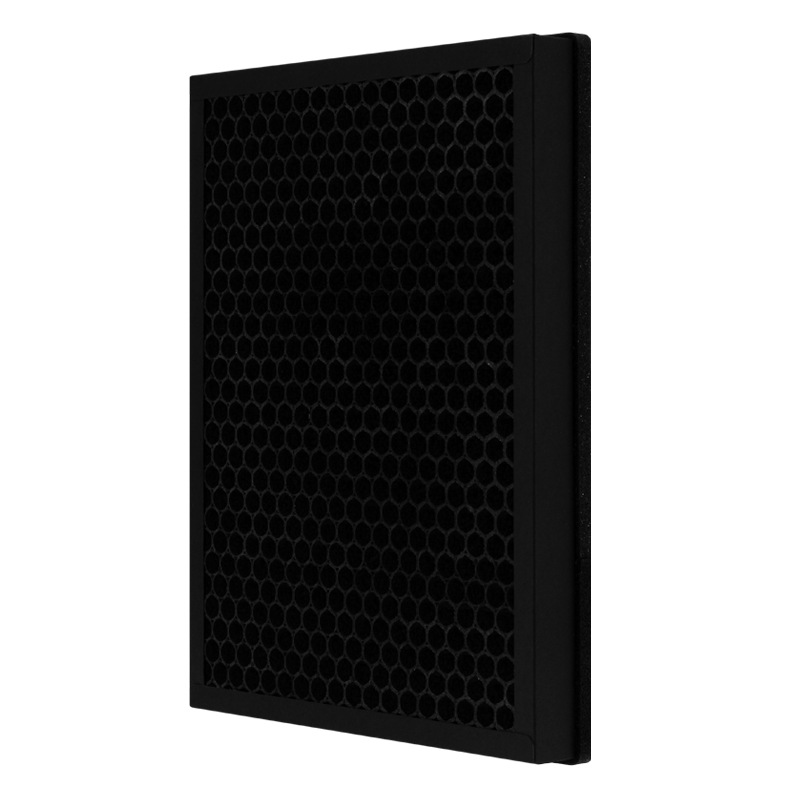
3. Activated Carbon Filters:
– Description: These filters contain activated carbon, which is highly effective at absorbing odors, gases, and volatile organic compounds (VOCs).
– Applications: Used in areas where chemical vapors or odors need to be controlled, such as in laboratories handling volatile chemicals or during the production of pharmaceuticals that involve solvents.
4. Pleated Filters:
– Description: Pleated filters have a larger surface area due to their folded design, allowing for higher airflow rates while maintaining good particulate removal efficiency.
– Applications: Commonly used in HVAC systems within pharmaceutical facilities to provide general filtration and extend the lifespan of more expensive final filters like HEPA or ULPA.

5. Pre-Filters:
– Description: Pre-filters are coarse filters designed to remove larger particles from the airstream before it reaches more sensitive and expensive filters like HEPA or ULPA.
– Applications: Typically installed upstream of HEPA/ULPA filters to protect them from clogging and prolong their operational life, ensuring consistent air quality in cleanrooms and other critical areas.
These filters are essential components in maintaining the stringent air quality standards required in the pharmaceutical industry, helping to prevent contamination and ensure product safety and efficacy.

Conclusion
Air filtration plays an irreplaceable role in the pharmaceutical industry. Mastering its basic principles, understanding key technologies, and learning from practical application cases are essential for ensuring product quality and safety. As technology advances, we expect more innovative air filtration solutions to emerge, further promoting the development of the pharmaceutical industry.