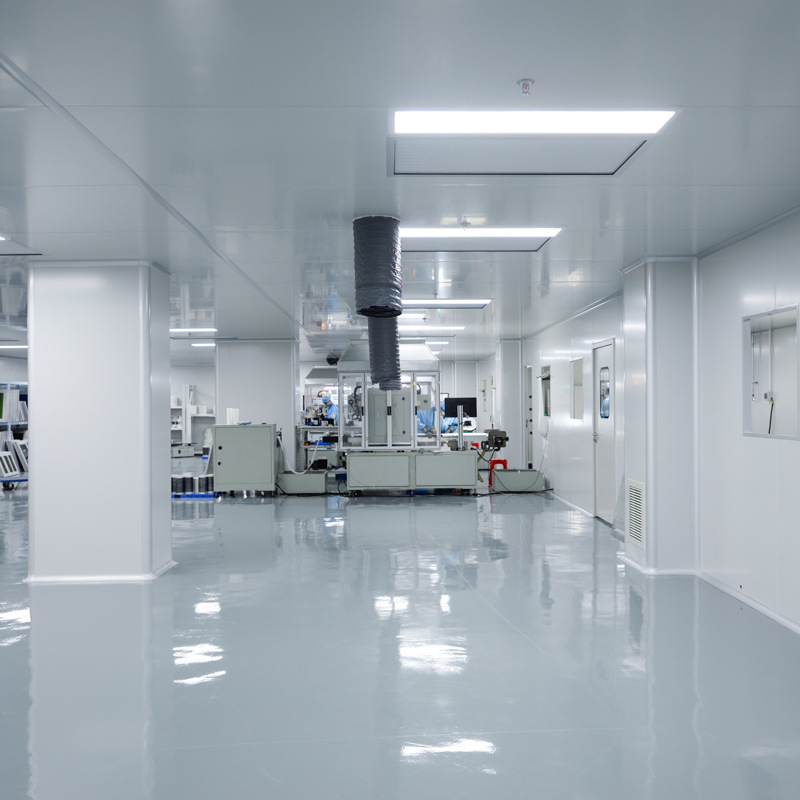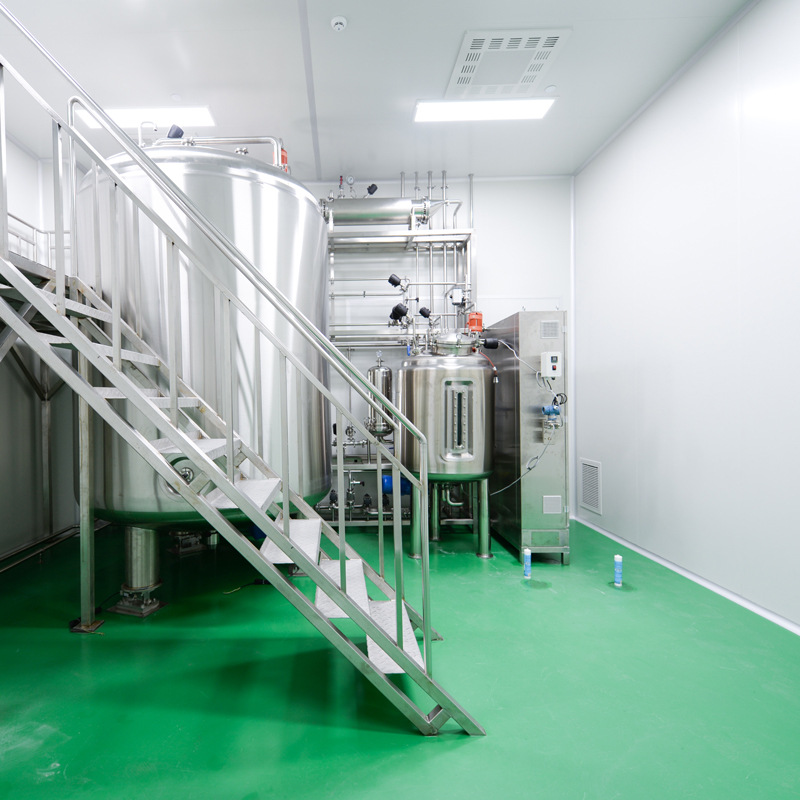
In the realm of pharmaceutical production, maintaining an immaculate environment is not just a best practice; it is a critical necessity. The integrity of pharmaceutical products hinges on stringent hygiene standards and contamination control measures. Among the myriad technologies employed to achieve this, high efficiency air filtration (HEAF) stands out as a cornerstone. This article delves into the paramount role HEAF technology plays in ensuring the cleanliness of pharmaceutical production environments and examines its profound impact on product quality and safety.
The Role of High Efficiency Air Filtration in Ensuring Cleanliness
Pharmaceutical manufacturing involves complex processes that are highly susceptible to contamination from airborne particles. These contaminants can compromise the purity and efficacy of drugs, posing significant risks to patient health. High efficiency air filtration systems are designed to capture even the smallest particles, including bacteria, viruses, dust, and other microorganisms, ensuring that the air within production facilities remains pristine.
Key Features of High Efficiency Air Filtration Systems
1. Particle Size Scavenging: HEAF systems are engineered to filter out particles as small as 0.3 microns with an efficiency rate of 99.97% or higher. This level of filtration is crucial in preventing particulate matter from entering the production zones.
2. Multi-Stage Filtration: Advanced HEAF systems often incorporate multiple stages of filtration, starting with pre-filters that remove larger particles and progressing to high-efficiency particulate air (HEPA) filters that tackle finer particles.
3. Air Change Rates: By regulating the number of air changes per hour (ACH), HEAF systems ensure a continuous supply of clean air, further reducing the risk of contamination.
4. Integrated Monitoring: Modern HEAF systems come equipped with real-time monitoring capabilities, allowing for immediate detection and correction of any potential issues, thereby maintaining consistent air quality.
Impact on Product Quality and Safety
The integration of high efficiency air filtration technology in pharmaceutical production has far-reaching implications for both product quality and safety.
Enhanced Product Quality
1. Consistency in Manufacturing: HEAF systems provide a controlled environment free from contaminants, ensuring that each batch of medication meets stringent quality standards. This consistency is vital for producing reliable and effective pharmaceuticals.
2. Reduction in Product Recalls: Contaminated products are more likely to fail quality checks and require recalls, which can be costly and damaging to a company’s reputation. HEAF technology significantly mitigates these risks by ensuring a sterile production environment.
3. Prolonged Shelf Life: Cleaner production conditions lead to products with fewer contaminants, which can extend their shelf life and maintain their potency longer.
Improved Safety Standards
1. Patient Safety: The primary concern in pharmaceutical production is patient safety. Contaminated medications can cause adverse reactions or fail to treat the intended condition effectively. HEAF systems play a crucial role in protecting patients by ensuring that only the highest quality products reach the market.
2. Regulatory Compliance: Pharmaceutical manufacturers must adhere to strict regulatory guidelines set forth by bodies such as the FDA and EMA. High efficiency air filtration is often a requirement to meet Good Manufacturing Practices (GMP). Non-compliance can result in severe penalties, including fines and loss of licenses.
3. Worker Health: A clean production environment also benefits the workforce by reducing exposure to harmful airborne particles, thereby promoting a safer workplace.
Conclusion
High efficiency air filtration technology is indispensable in the pharmaceutical industry. Its ability to maintain a contaminant-free environment ensures that pharmaceutical products are safe, effective, and of the highest quality. As advancements continue to evolve, so too will the standards and expectations for air filtration in pharmaceutical production. Investing in state-of-the-art HEAF systems is not merely an operational expense but a strategic imperative that safeguards public health and upholds the integrity of the pharmaceutical industry.